
Be yourself; Everyone else is already taken.
— Oscar Wilde.
This is the first post on my new blog. I’m just getting this new blog going, so stay tuned for more. Subscribe below to get notified when I post new updates.
Be yourself; Everyone else is already taken.
— Oscar Wilde.
This is the first post on my new blog. I’m just getting this new blog going, so stay tuned for more. Subscribe below to get notified when I post new updates.
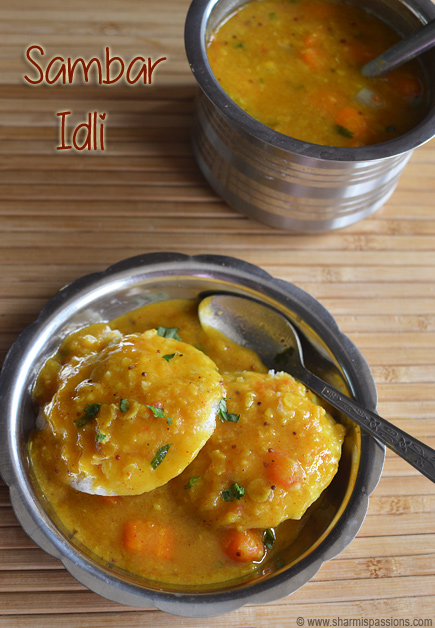
Preparation Time : 10 mins | Cooking Time : 15 mins | Serves : 2
Recipe Category: Main | Recipe Cuisine: South Indian
Toor Dal – 1/2 cup
Tomato – 2 small roughly chopped
Carrot – 2 small roughly chopped
Sambar powder – 1 heaped tsp
Turmeric powder – 2 pinches
Thin tamarind pulp – 1 tbsp
Water – as required
Ghee – 1 tsp
Salt – to taste
Oil – 2 tsp
Mustard Seeds – 1/2 tsp
Split Urad Dal – 1/2 tsp
Small Onion – 10
Hing – 1/4 tsp
Curry Leaves – a sprig
Fenugreek Seeds – 1/4 tsp
Directions:
1-Rinse dal and set aside.In a pressure cooker heat oil add tomato and carrot saute till tomatoes becomes mushy then add dal along with turmeric powder and salt.Add water and pressure cook for 4 whistles in low medium flame.
2- Allow pressure to release by itself.Mash the dal well and heat it up.Make a paste with sambar powder and little water and add it to the boiling sambar.
3- Let it boil, add water to adjust the consistency if it becomes too thick.Let it boil for a good 5mins.
4- Then add tamarind water.In a kadai – add the items listed under ‘to temper’ saute it for a minute.
5- Add it to sambar and let it boil for 5more minutes.Then garnish with coriander leaves , add a tsp of ghee and switch off.
6- Ina serving plate place the idlis and pour hot sambar over the idlis so that they are nicely dunked inside.Garnish with coriander leaves and serve.
This is an example post, originally published as part of Blogging University. Enroll in one of our ten programs, and start your blog right.
You’re going to publish a post today. Don’t worry about how your blog looks. Don’t worry if you haven’t given it a name yet, or you’re feeling overwhelmed. Just click the “New Post” button, and tell us why you’re here.
Why do this?
The post can be short or long, a personal intro to your life or a bloggy mission statement, a manifesto for the future or a simple outline of your the types of things you hope to publish.
To help you get started, here are a few questions:
You’re not locked into any of this; one of the wonderful things about blogs is how they constantly evolve as we learn, grow, and interact with one another — but it’s good to know where and why you started, and articulating your goals may just give you a few other post ideas.
Can’t think how to get started? Just write the first thing that pops into your head. Anne Lamott, author of a book on writing we love, says that you need to give yourself permission to write a “crappy first draft”. Anne makes a great point — just start writing, and worry about editing it later.
When you’re ready to publish, give your post three to five tags that describe your blog’s focus — writing, photography, fiction, parenting, food, cars, movies, sports, whatever. These tags will help others who care about your topics find you in the Reader. Make sure one of the tags is “zerotohero,” so other new bloggers can find you, too.

 Indian Street